
What Are the Top Signs My Home Needs New Siding in Wisconsin?

In Wisconsin’s diverse climate—from scorching summer sun to freezing winter storms—your home’s exterior siding faces relentless challenges. Siding Installation Services Wisconsin are increasingly fielding calls from homeowners spotting early signs of deterioration. As vinyl panels buckle, fiber cement boards crack, or wood shakes fade, underlying issues like moisture intrusion and energy inefficiency begin to surface. A proactive approach to identifying these red flags can safeguard a home’s structure, comfort, and resale value before minor damage escalates. This guide distills insights from leading industry experts and top-ranked blogs to help Wisconsin homeowners recognize the key indicators that their siding needs replacement.
How Do I Know If My Siding Needs Replacement? – Siding Installation Services Wisconsin
Siding Installation Services Wisconsin experts agree that visible damage is only part of the picture. Subtle cues like elevated energy bills, persistent drafts, or interior peeling paint often signal that underlying layers of insulation and sheathing are compromised. Wisconsin’s freeze-thaw cycles can exacerbate small cracks, allowing water to seep into wall cavities, rot framing, and promote mold growth. Recognizing both surface-level and systemic symptoms is critical to avoid costly structural repairs down the road.
Cracked and Warped Siding: The Most Obvious Warning Sign
Even a minor hairline crack in vinyl siding or fiber cement panels can admit water and freeze, expanding the fissure over time. In Wisconsin, repeated ice accumulation behind these panels accelerates rot in sheathing and framing. Warped siding, whether from moisture or extreme heat exposure, breaks the weather-tight seal and undermines insulation performance. Homeowners should look for boards that bow outward, form ripples, or detach at seams—clear indications that a full siding replacement is approaching.
Common Siding Materials and Their Failure Modes
| Material | Common Failure Mode | Typical Lifespan | Maintenance Concern |
|---|---|---|---|
| Vinyl | Cracking, melting, warping | 20–40 years | UV chalking, heat damage |
| Fiber Cement | Bubbles, delamination | 30–50 years | Trapped moisture, mold growth |
| Wood (cedar, shake) | Rot, insect damage, fading | 20–40 years | Painting, sealing, rot checks |
| Engineered Wood | Swelling, delamination | 25–50 years | Moisture barrier integrity |
Fading Exterior WI: When Color Loss Signals Functional Decline
A chalky residue or decidedly faded tone often suggests that a siding’s protective coating has worn away. In Wisconsin’s intense UV environment, loss of pigment not only mars curb appeal but also indicates erosion of the weather-resistant finish. Without a robust surface, panels become more susceptible to cracking, moisture infiltration, and thermal expansion. Homeowners noticing uneven discoloration or consistent fading should consider replacement rather than repeated repainting, which may only mask deeper material breakdown.
Persistent Moisture Problems and Mold Growth
Moisture intrusion beneath siding panels can leave visible stains, black streaks, or fuzzy mold at seams and corners. In the upper Midwest, snowmelt and heavy rains can seep through degraded caulking or damaged flashing, promoting fungal growth behind the siding. Left unchecked, mold and mildew can spread into wall cavities and insulation, compromising indoor air quality and structural integrity. Regular inspection for discolored patches or musty odors is crucial for early detection and timely siding replacement.
Rising Energy Bills and Reduced Insulation Performance
When siding loses its sealing ability, drafts can infiltrate a home’s thermal envelope. Wisconsin homeowners may observe unusual spikes in winter heating or summer cooling costs despite no changes to HVAC systems. Underperforming siding diminishes the R-value of exterior walls, forcing furnaces and air conditioners to work overtime. A visible way to confirm insulation failure is by feeling for cold spots along walls or noticing humid air seepage near window frames. Replacing the siding restores insulation continuity and cuts energy expenses.
Siding Installation Services Wisconsin professionals emphasize that comprehensive replacement, paired with upgraded house wrap and flashings, can boost overall R-value by up to 25%.
Interior Warning Signs: Peeling Paint and Bubbling Wallpaper
Siding may seem sound until interior walls reveal hidden moisture damage. Peeling paint, bubbling wallpaper, or water stains on drywall often trace back to gaps in exterior cladding. As water penetrates and accumulates, humidity rises inside wall cavities, pushing moisture through wallboards and finishes. These interior flaws are telltale signs that the siding’s protective function has failed, warranting whole-house re-siding rather than isolated repairs.
Insect Intrusion and Pest Damage
Tiny holes in siding may indicate insect tunneling by termites or carpenter ants, which exploit compromised boards to access structural wood. Insects not only weaken the siding material but can spread into framing and subfloors. Even small gaps can invite rodents or birds to nest behind panels, intensifying damage and exacerbating moisture concerns. Homeowners discovering sawdust trails or nesting sounds behind siding should act quickly, as replacement siding fitted tightly can deter further infestations.
Dry Rot and Soft Spots: Testing for Structural Decay
A simple screwdriver test can reveal dry rot in siding that appears intact from the outside. By poking suspected areas, homeowners can detect soft, crumbly wood beneath the surface. Dry rot often begins below the finish layer and slowly eats away cellulose fibers until only a thin veneer remains. Replacing panels with modern fiber cement or engineered wood siding eliminates hidden rot and restores a robust barrier against Wisconsin’s variable weather.
Contact us today to schedule a professional assessment and ensure your home remains protected against moisture, pests, and energy loss.
Age, Maintenance History, and Warranty Considerations
Every siding type has a finite lifespan. Vinyl and wood commonly warrant 20–40 years, while premium fiber cement may last up to 50 years when properly installed. Frequent repainting—more than once every five to seven years—signals surface coatings have surpassed their lifespan. Outdated warranties or missing documentation can also suggest replacement is overdue. Homeowners should review installation dates, prior repair records, and product warranties as part of a holistic siding health check.
Signs vs. Recommended Actions
| Sign | Severity Level | Recommended Action |
|---|---|---|
| Small cracks or chips | Moderate | Spot repair and monitoring |
| Warped/buckling boards | High | Full siding panel replacement |
| Discoloration, chalking | Moderate | Evaluate finish, consider full replacement |
| Interior peeling paint/wallpaper | High | Replace siding and upgrade moisture barrier |
| Elevated energy bills | Moderate | Inspect insulation, replace defective siding |
| Pest damage holes | High | Remove infested areas, install new pest-resistant siding |
| Dry rot revealed by screwdriver | High | Replace affected sections with non-organic siding |
Material Trends and Upgrades for Wisconsin Homes
When investing in new siding, Wisconsin homeowners often weigh options like insulated vinyl, fiber cement (e.g., James Hardie®), engineered wood, or cedar shake. Insulated vinyl offers improved R-value, noise reduction, and moisture resistance, making it a cost-effective upgrade. Fiber cement delivers outstanding durability against freeze-thaw cycles and resists mold, rot, and fire. Engineered wood replicates natural textures with enhanced weather resistance, while cedar shake provides timeless curb appeal at the cost of higher maintenance.
Why Professional Installation Matters
Proper installation by certified crews ensures that siding functions as designed. Professionals follow best practices: installing a continuous house wrap, integrating metal flashings at transitions, fitting panels with correct expansion gaps, and sealing seams with quality caulk. Improper nailing or lack of ventilation can lead to premature buckling, mildew growth, and fastener pull-through. Hiring experienced siding contractors in Wisconsin minimizes the risk of callbacks and maximizes the new siding’s lifespan.
Horizon Exteriors WI has over a decade of expertise installing top-quality siding systems tailored to Wisconsin’s climate, using precision techniques that protect homes for decades.
Conclusion
Recognizing the signs that your Wisconsin home needs new siding—ranging from cracked panels and faded color to moisture problems, energy inefficiencies, and interior damage—empowers homeowners to act before minor issues escalate into expensive, structural repairs. By choosing the right material for local weather, adhering to manufacturer guidelines, and partnering with reputable contractors, a siding replacement transforms a vulnerable exterior into a durable, energy-efficient barrier. For expert guidance, installation, and lasting results, trust Siding Installation Services Wisconsin to safeguard your home’s comfort, appearance, and value season after season.
Frequently Asked Questions
1. What is the typical lifespan of siding in Wisconsin’s climate?
Vinyl siding generally lasts 20–40 years, fiber cement 30–50 years, and engineered wood 25–50 years, depending on maintenance and installation quality.
2. Can I repair warped siding, or do I need a full replacement?
Minor warping may be spot-repaired if localized, but widespread buckling or multiple warped boards typically require full panel replacement to restore weather-tight performance.
3. How do I prevent mold and mildew growth on my siding?
Regularly clean siding with a mild detergent solution, maintain clear gutters, trim vegetation away from walls, and ensure proper ventilation behind panels to reduce moisture retention.
4. Will replacing siding improve my home’s energy efficiency?
Yes. New siding systems—especially insulated vinyl or fiber cement paired with upgraded house wrap—enhance wall R-value, reduce drafts, and can lower heating and cooling costs by up to 25%.
5. How do I choose the right siding material for Wisconsin weather?
Consider factors like freeze-thaw resilience, moisture resistance, maintenance requirements, aesthetic preference, and budget. Fiber cement excels in durability, while insulated vinyl offers cost-effective insulation gains.
Horizon Exteriors Blog Posts
Read More
Looking for tips, trends, and expert advice on home renovations? Explore our blog for valuable insights, inspiration, and updates to help you plan your next exterior project with confidence!
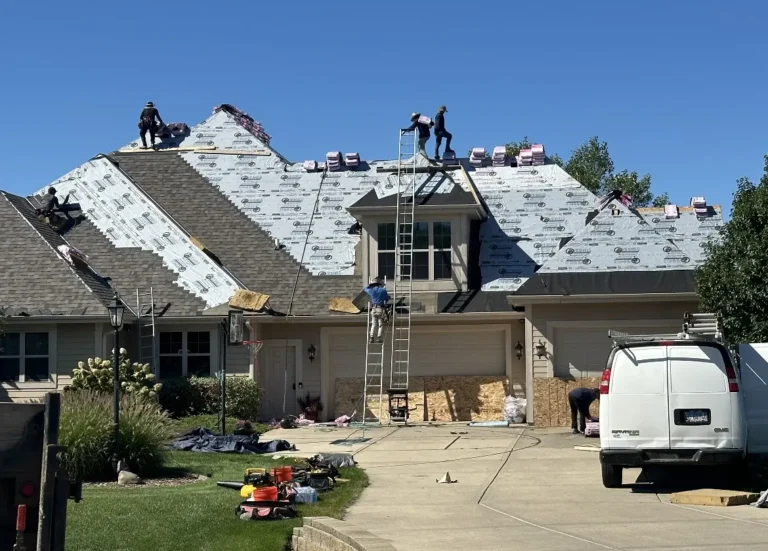
Emergency Roof Repair in Stevens Point, WI: How Summer Storms Can Impact Your Home
Summer storms in Wisconsin rarely give you much warning. One afternoon can shift from calm skies to heavy rain, strong winds, and hail in a matter of minutes. After the storm passes, the damage is not always obvious from the ground. What looks like a few missing shingles can turn into water intrusion, insulation damage,…

Top 5 Signs You Need a Roof Replacement in Wisconsin Rapids, WI
Your roof does more than just top off your home. It protects everything underneath it from Wisconsin’s harsh weather. In Wisconsin Rapids, roofs take a beating from heavy snowfall, ice dams, spring rain, and strong summer storms. Over time, even a well-installed roof will reach the end of its lifespan. Knowing the warning signs early…